Recent advances in micro- and nanoscale sensing technologies may help diagnose sepsis early and with greater accuracy.
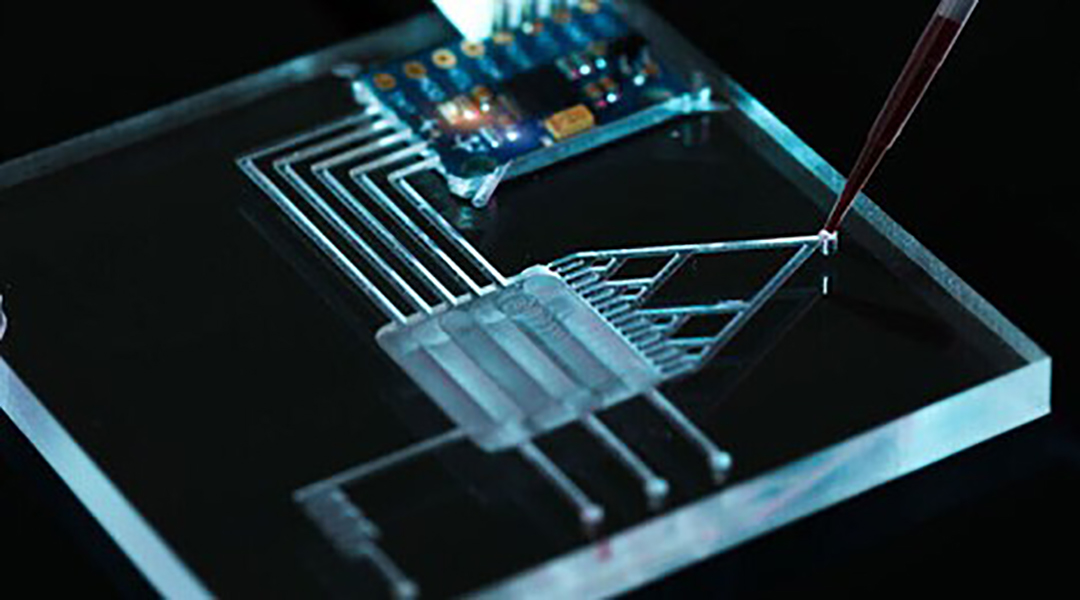

Recent advances in micro- and nanoscale sensing technologies may help diagnose sepsis early and with greater accuracy.
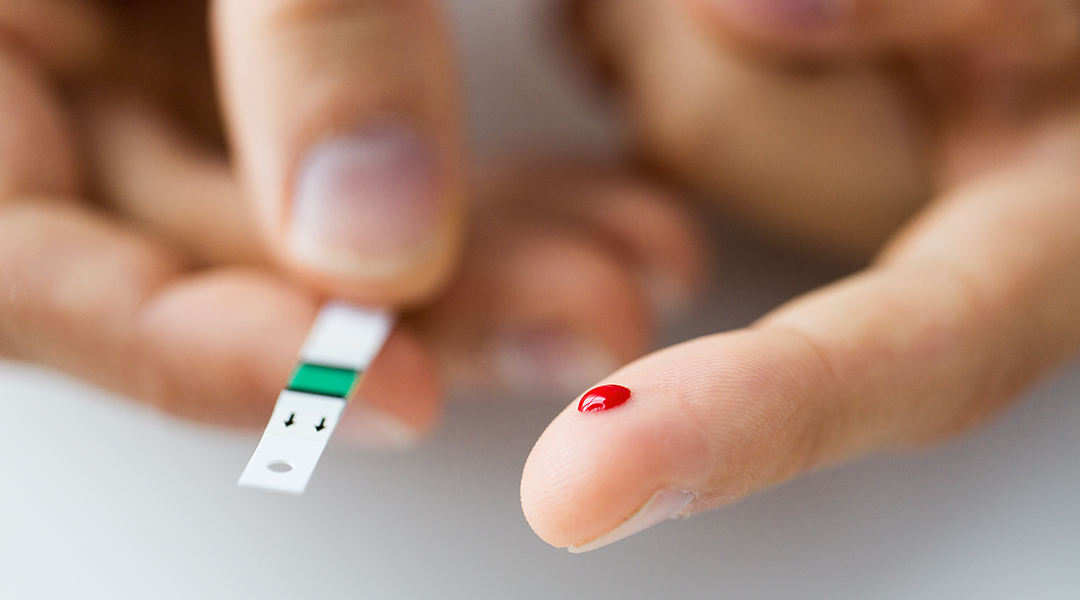
Graphene-based biosensors incorporated in arrays of microneedles are emerging as an alternative to hypodermic needles and could be the next generation of blood sampling devices.
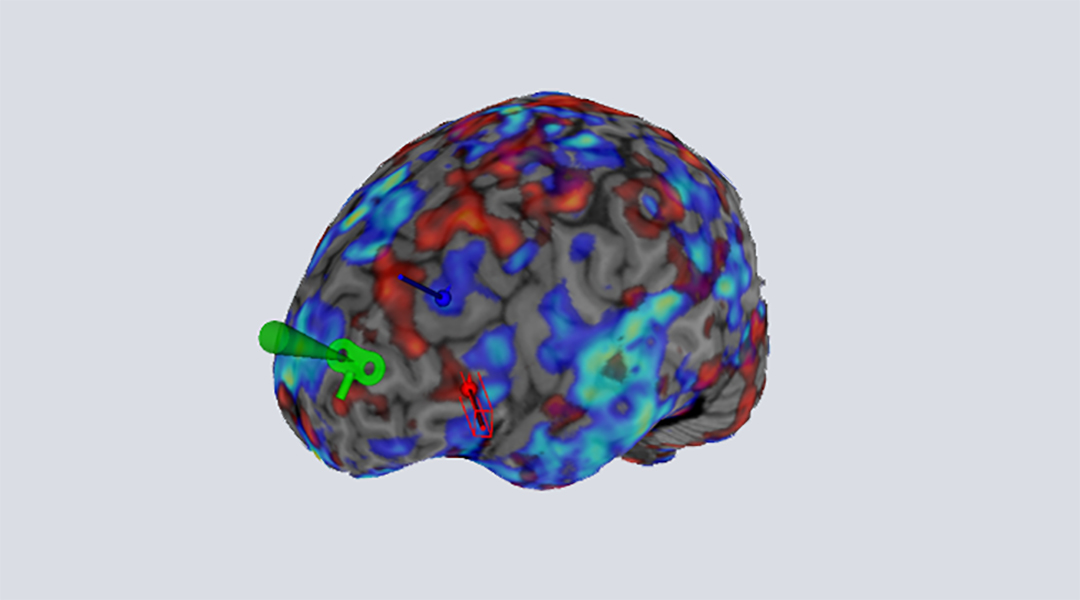
Taking advantage of progress made in neuroimaging, researchers hope that personalized treatments for mental disorders using brain stimulation therapies will be the way forward.
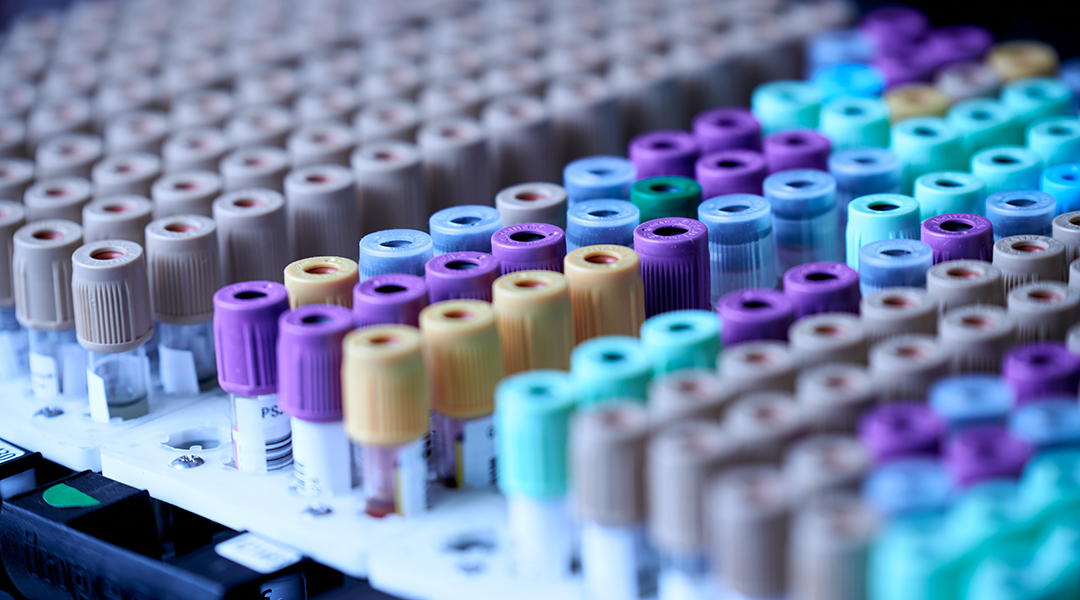
The first digital CRISPR/Cas‐assisted assay that can detect SARS‐CoV‐2 in under 30 minutes.
Personalized medicine for diseases that affect the central nervous system requires renewed focus on visualising the behaviour of drugs in the brain.
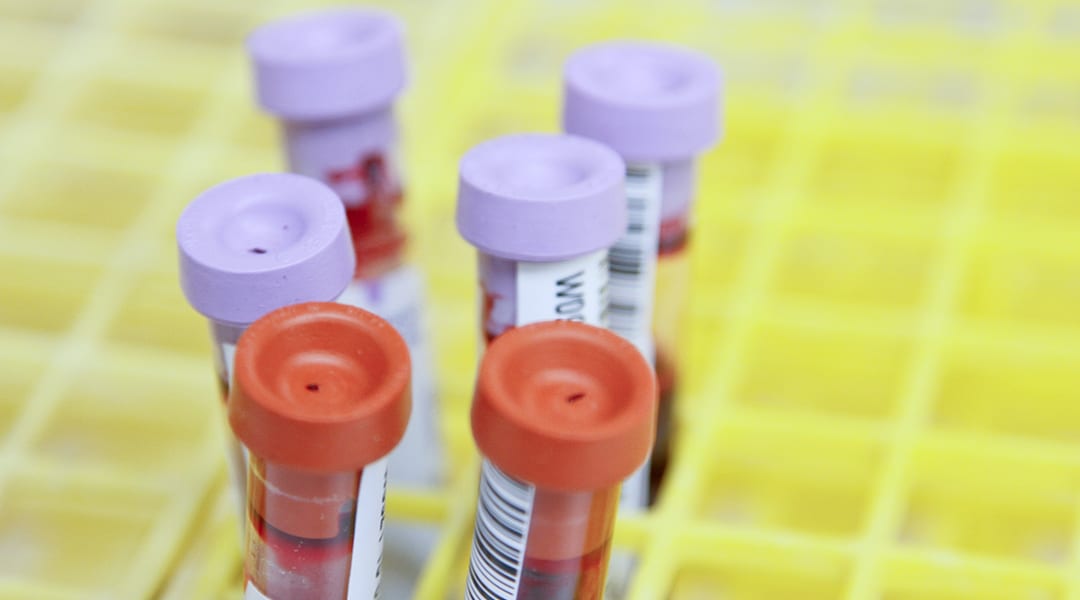
A sensitive blood test for the early diagnosis of Alzheimer’s disease could be possible with nanoparticle arrays.

Recent advanced in nanoparticle-based SERS imaging has led to better diagnoses of diseases like cancer, and improvements in image-guided tumor surgeries.
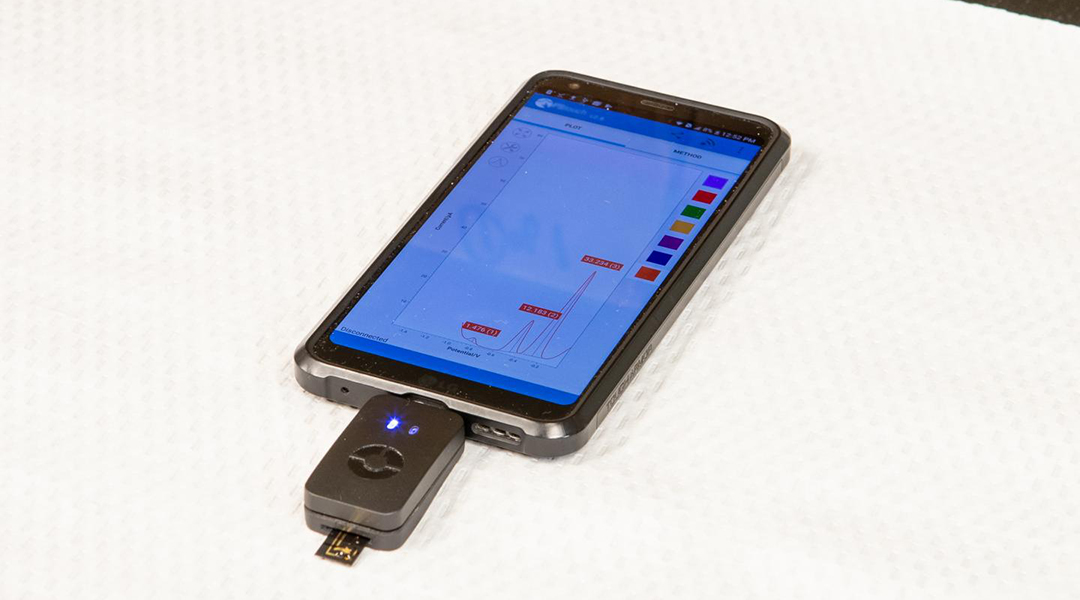
Canadian researchers create technology that reads cancer biomarker like a blood-sugar monitor.
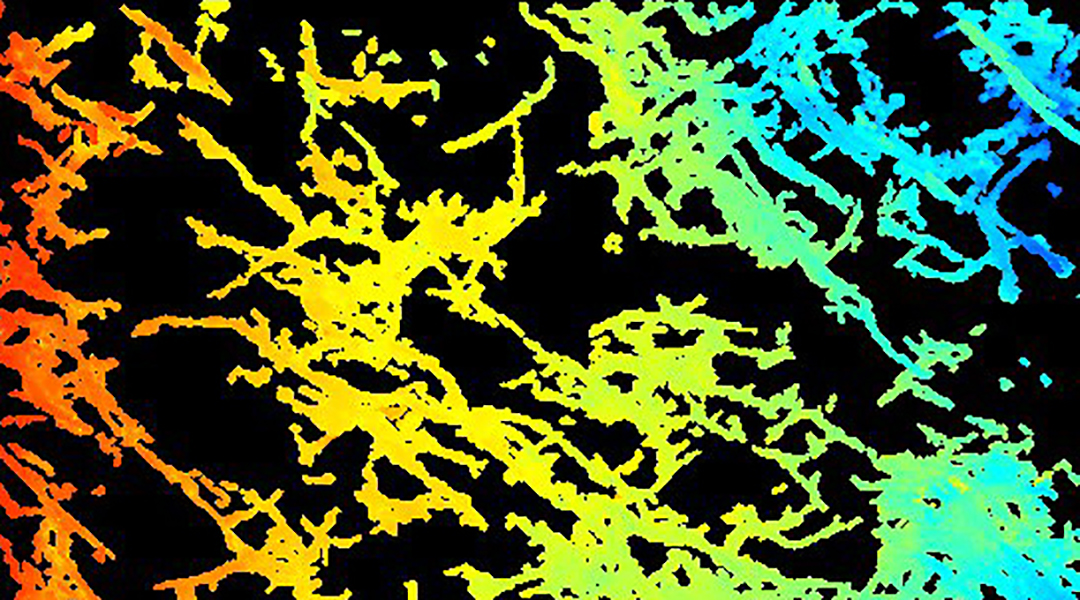
How can computational modeling help to better understand and predict when the power cells of our gut fail?
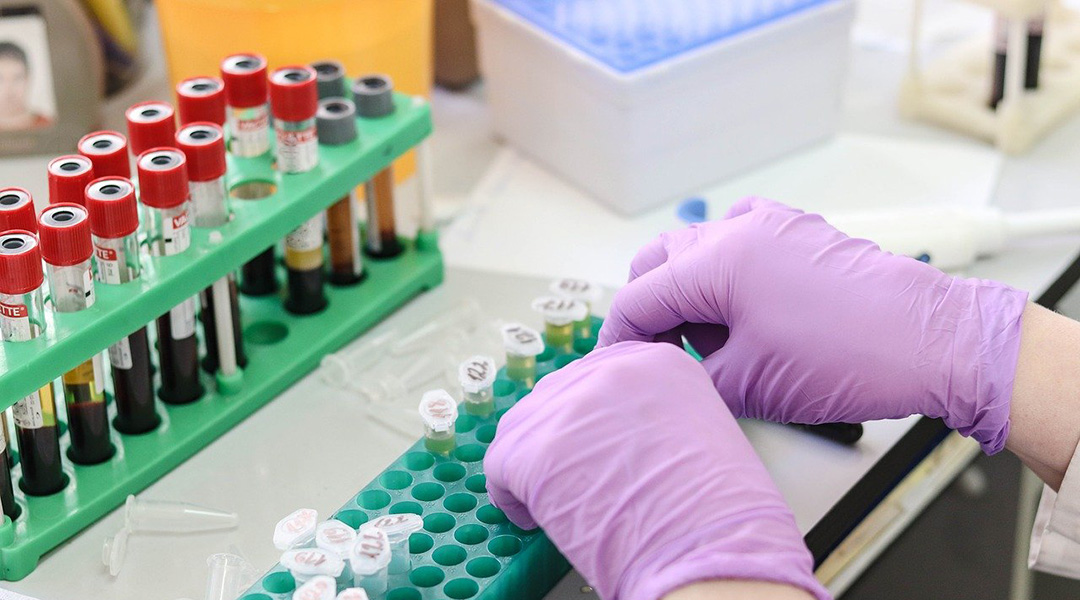
Researchers at Lund University hail potential game changer in early diagnosis.
 New theory suggests gravity is not a fundamental force
 Higgs boson may be driving the Universe’s expansion
 Water-powered gadgets may be on the horizon thanks to new evaporation-based energy device
 Scientists discover a new class of antibiotics
 Micron-sized hidden dimensions could solve two of physics’ deepest puzzles
 A new type of dark matter could explain mysterious radiation from the Milky Way’s core