A hydrogel delivers therapeutic molecules to the brain after a stroke, promoting blood vessel regrowth and aiding recovery.


A hydrogel delivers therapeutic molecules to the brain after a stroke, promoting blood vessel regrowth and aiding recovery.

People all over the world touch their faces up to 800 times per day—researchers wanted to know why.

Researchers discover that a Parkinson’s drug, procyclidine, can reduce physical nicotine withdrawal symptoms, such as tremors and immobility.
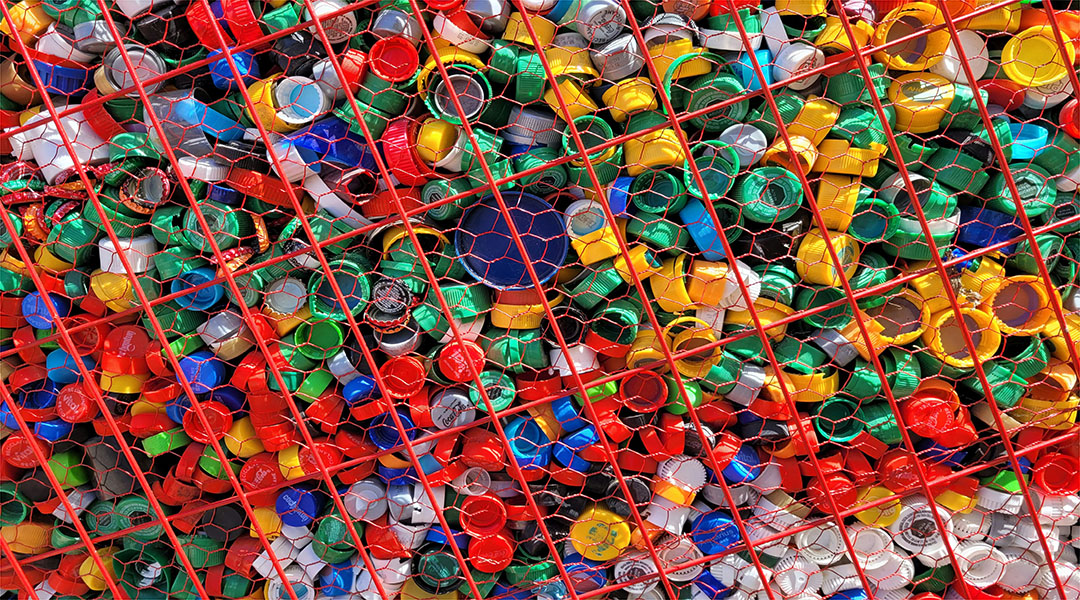
A common bacteria found growing on plastic in urban wastewater could provide new bioengineering solutions to clean up plastic waste.
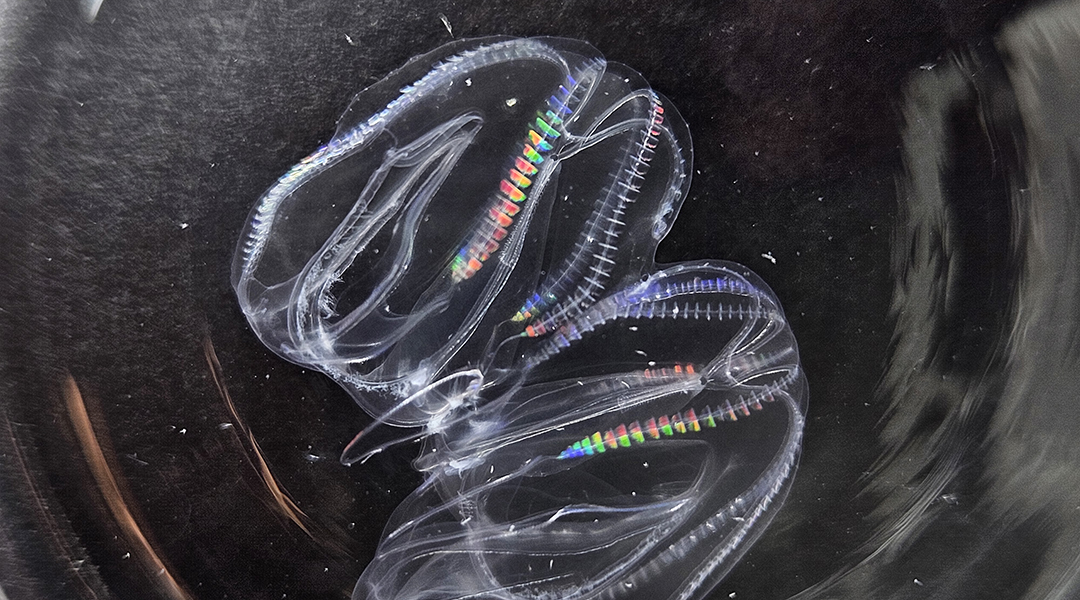
Two individual comb jellies can fuse into a single organism, providing an incredible feat of regeneration rarely seen in the animal world.
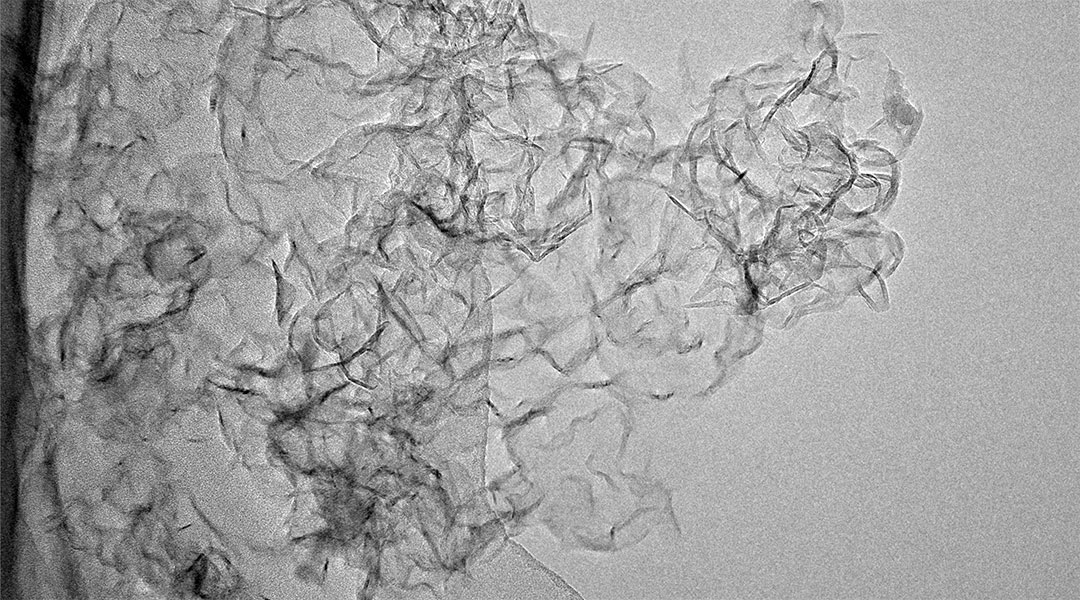
Scientists convert harmful microplastics into valuable graphene using plasma, offering a promising solution for this type of pollution.
Understanding the placebo effect could lead to pain management therapies that are more effective than opioids without causing addiction.
There is an urgent need to replace fossil-derived plastics with biodegradable alternatives but do they solve microplastics’ health issues?
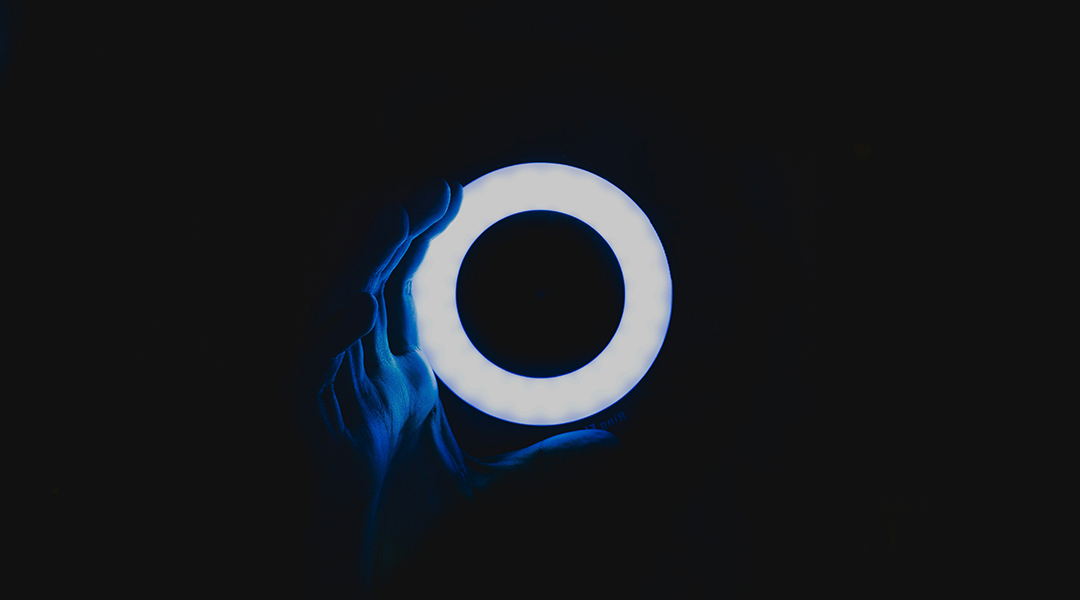
A mouse study provides new insights into the brain mechanisms behind the effectiveness of SAD lamps in alleviating depression.
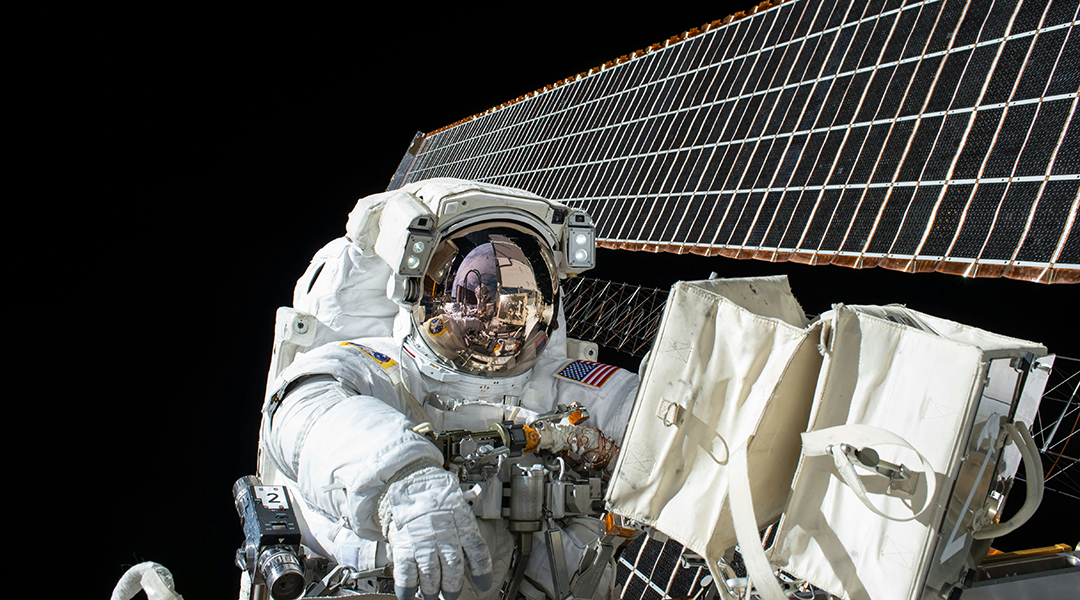
Future astronauts may be protected from galactic cosmic rays thanks to a novel organ-on-chip system containing interconnected human tissue.
 New theory suggests gravity is not a fundamental force
 Higgs boson may be driving the Universe’s expansion
 Water-powered gadgets may be on the horizon thanks to new evaporation-based energy device
 Scientists discover a new class of antibiotics
 Micron-sized hidden dimensions could solve two of physics’ deepest puzzles
 A new type of dark matter could explain mysterious radiation from the Milky Way’s core