Gold nanoparticles and near-infrared light speed up regeneration and reproduction in hydras, providing insights for regenerative medicine.
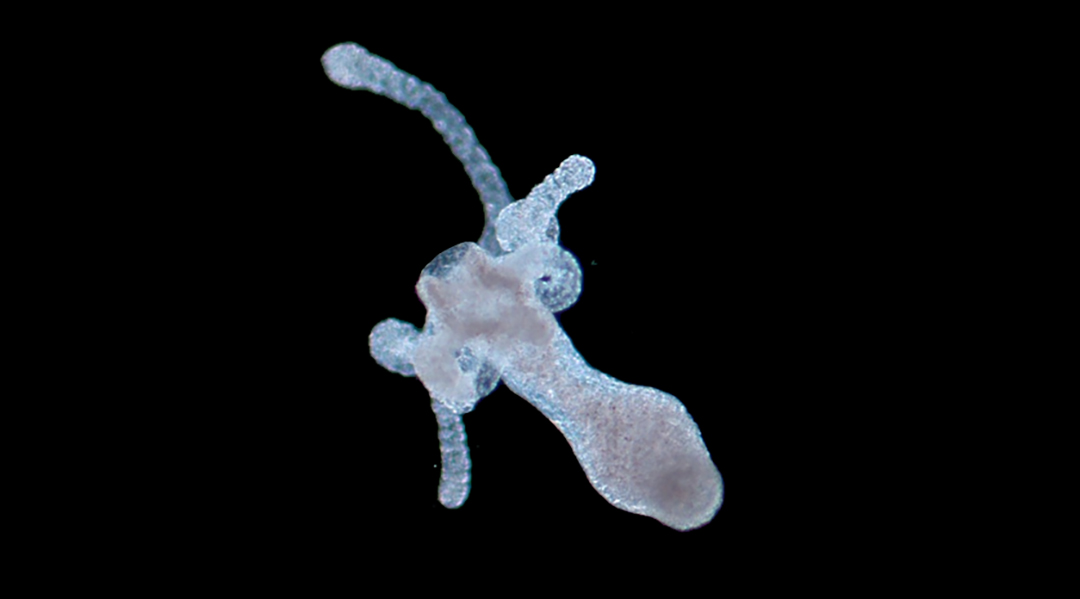

Gold nanoparticles and near-infrared light speed up regeneration and reproduction in hydras, providing insights for regenerative medicine.
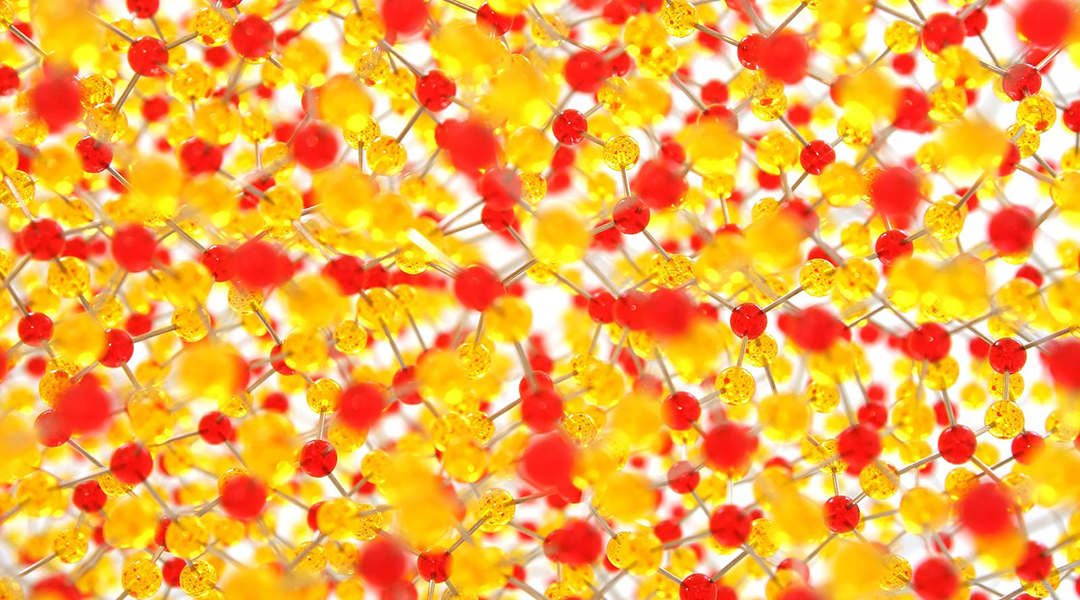
An Ising machine built on lattice defects solves problems faster than conventional computers without the drawbacks of quantum systems.

Jays exhibit a type of memory recall through which they can mentally relive past events.

Nanoparticles disrupted the placenta’s secretion of biomolecules essential for blood vessel growth, hormone production, and immune function.
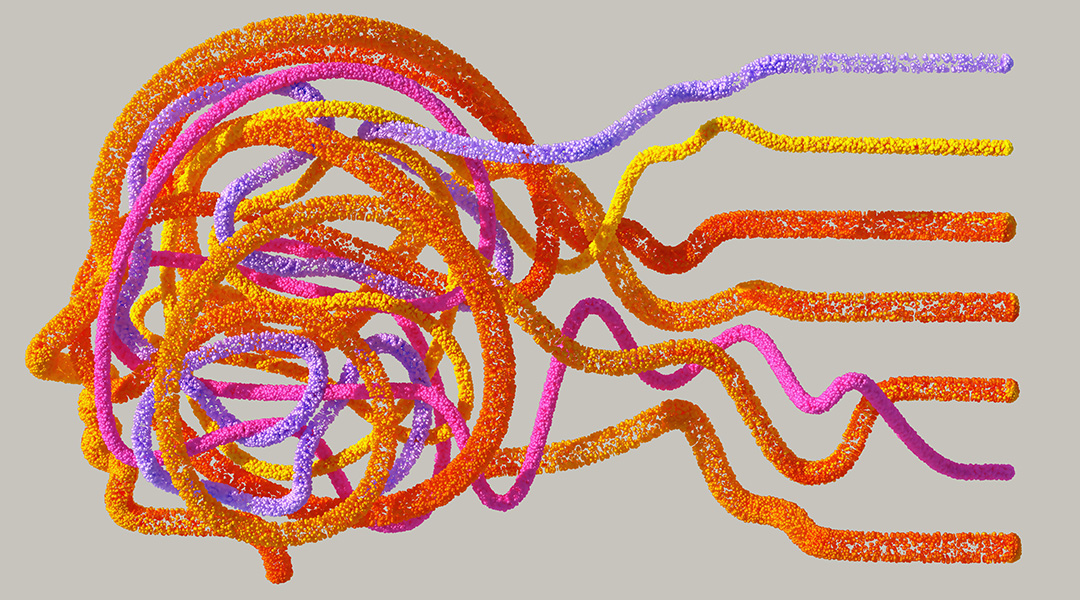
Preventing sudden and unexpected death hinges on accurately predicting the onset of epileptic seizures, even those with the rarest occurrences.

In this third and final article in a series on philosophy and science, we look at how modern science shows the validity of dialectical processes and how this can help guide science.

Lab-made model of human blood vessels provides accurate insights into effects of snake venom and could help develop new antivenoms.

Machine learning unveils the ideal structure of a quantum memristor, which could one day surpass current computing systems.
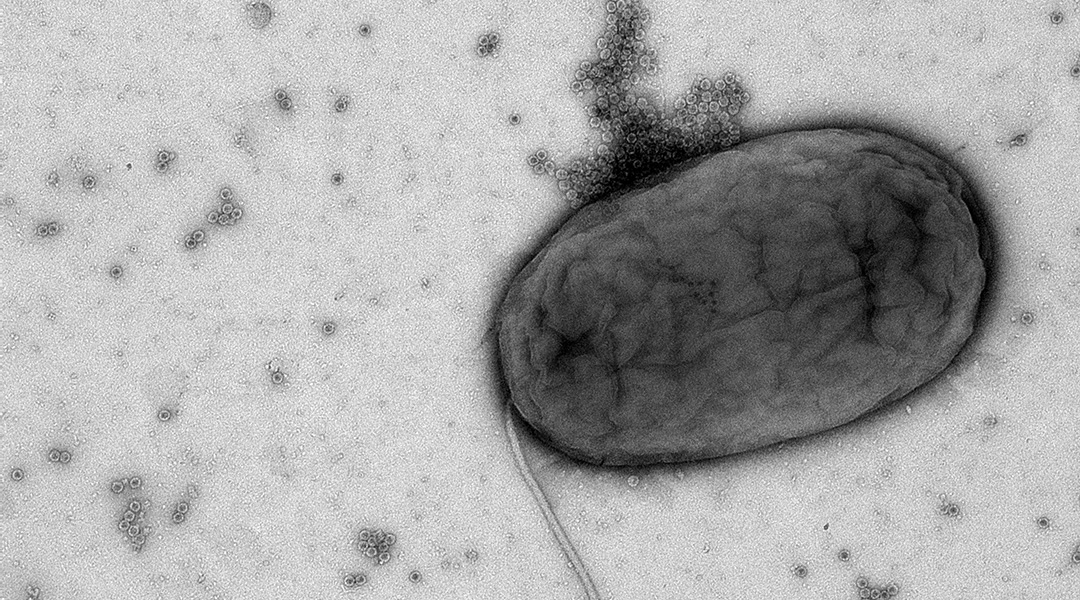
Harnessing bacteriophages’ natural prowess, scientists crafted an antibacterial material for use in medicine and the food industry.

Encapsulating allergens in nanoparticles was found to reprogram the immune system, suppressing severe reactions to food allergies.
 New theory suggests gravity is not a fundamental force
 Higgs boson may be driving the Universe’s expansion
 Water-powered gadgets may be on the horizon thanks to new evaporation-based energy device
 Scientists discover a new class of antibiotics
 Micron-sized hidden dimensions could solve two of physics’ deepest puzzles
 A new type of dark matter could explain mysterious radiation from the Milky Way’s core