New hybrid optical fibers contain 2D materials that enhance light-matter interactions and open doors for a range of new technological advancements.


New hybrid optical fibers contain 2D materials that enhance light-matter interactions and open doors for a range of new technological advancements.
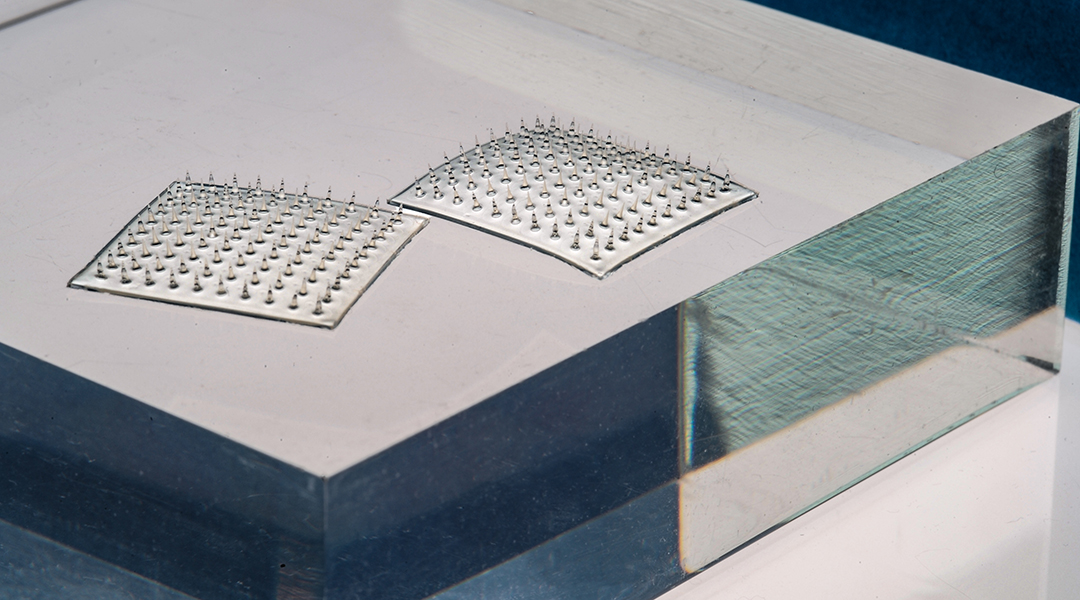
Food-safe microneedles incorporated into a new smart label can effectively collect samples from packaged food and inform consumers about its quality in real time.

The materials scientist talks about the challenges in finding work/life balance, her research in sustainable energy storage, and how Chinese calligraphy has shaped her way of thinking.

Researchers create new soft electrostatic zipping actuators manufactured through an integrated printing process for next generation soft robotics.
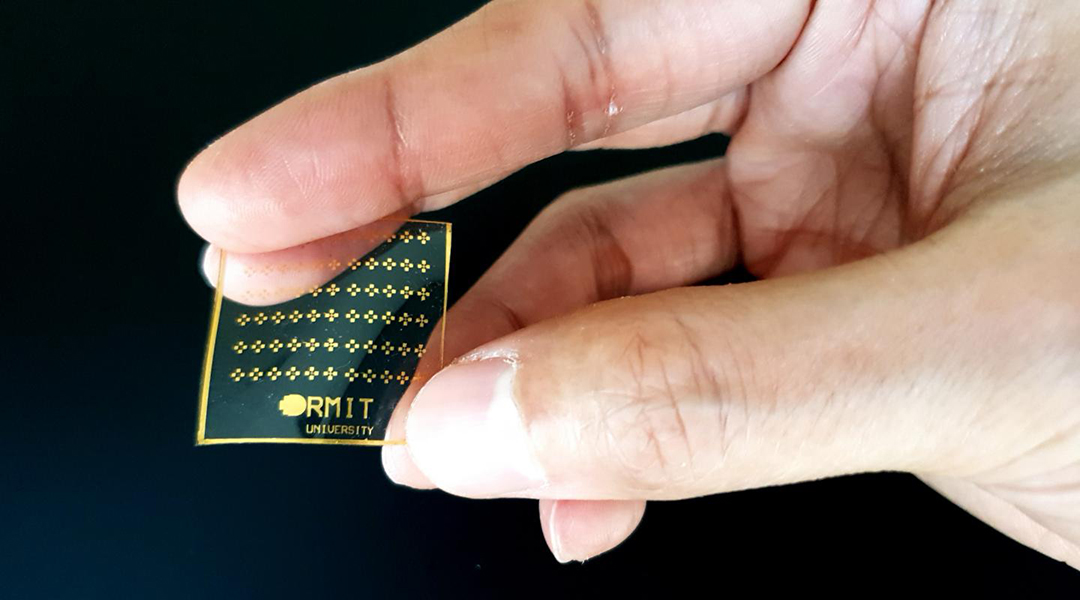
Prototype device electronically replicates the way human skin senses pain.

A new manufacturing technique creates ultrathin solar cells that are so light and flexible that they can rest on the surface of a soap bubble.
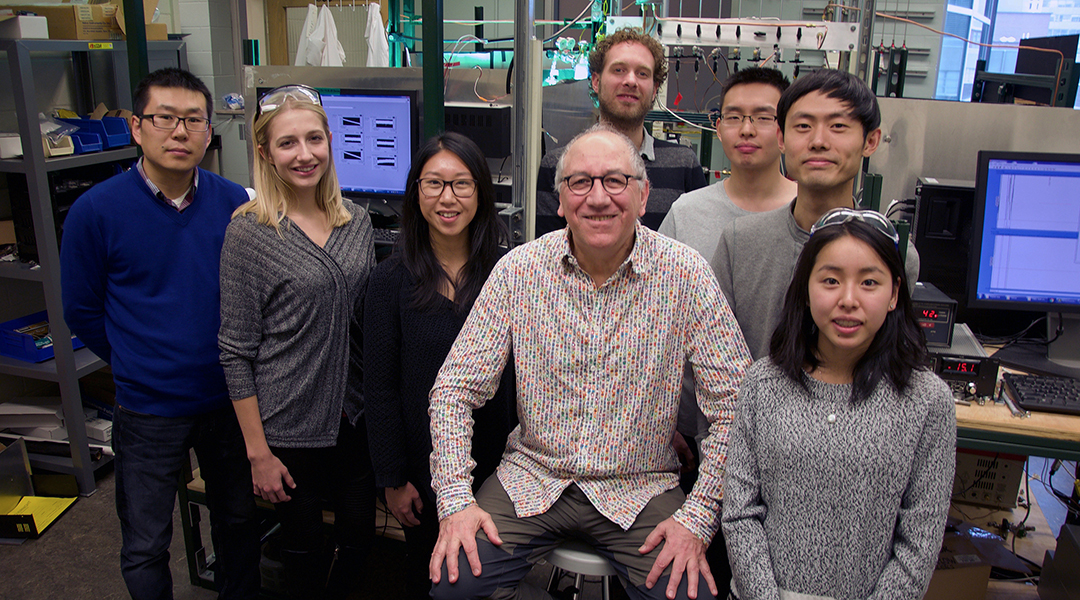
To celebrate his upcoming 77th birthday, we reached out to nanochemist and long-time ASN contributor, Geoffery Ozin, to discuss his colorful career, current projects, and plans for the future.

A new machine vision system can adapt to its surroundings and paves the way for in-situ neuromorphic recognition tasks.
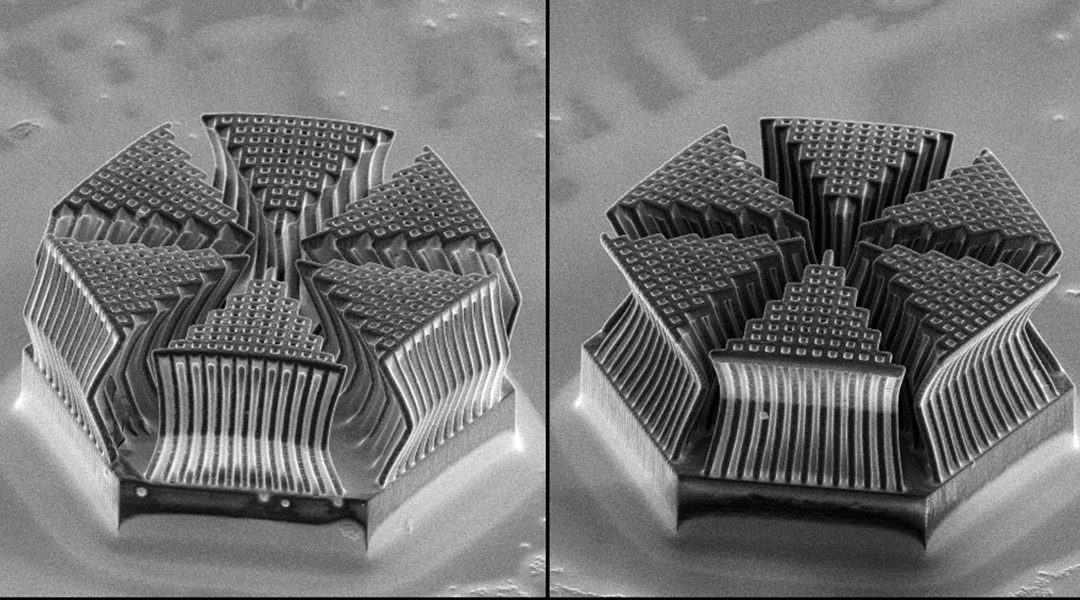
By designing complex microscale stamps, precision 3D printing methods offer control over fluid transfer in traditional 2D printing applications

Researchers use radio-based imaging to monitor stent implants without invasive techniques.
 New theory suggests gravity is not a fundamental force
 Higgs boson may be driving the Universe’s expansion
 Water-powered gadgets may be on the horizon thanks to new evaporation-based energy device
 Scientists discover a new class of antibiotics
 Micron-sized hidden dimensions could solve two of physics’ deepest puzzles
 A new type of dark matter could explain mysterious radiation from the Milky Way’s core