Prof. Jürgen Janek shares news about the post-lithium energy storage initiative ‘POLiS’ and talks about his career in electrochemistry.


Prof. Jürgen Janek shares news about the post-lithium energy storage initiative ‘POLiS’ and talks about his career in electrochemistry.
The world’s most grown legume could be used to make the batteries of the future.
This nanogenerator built from waste DVDs can generate electricity from gliding droplets of water.
Scientists explore the challenges facing alternatives to lithium-ion batteries and suggests a roadmap to overcome these obstacles.

A textured film maximizes sunlight by generating an increased amount of red light, reducing the costs of algae production on a significant scale.

The Singapore-based materials scientist on her love for science, promoting gender equality in STEM, and how innovations in materials can propel advances in healthcare.

The materials chemist discusses her research, new innovations in tackling the energy crisis, and how her son helps with “zoom fatigue”.
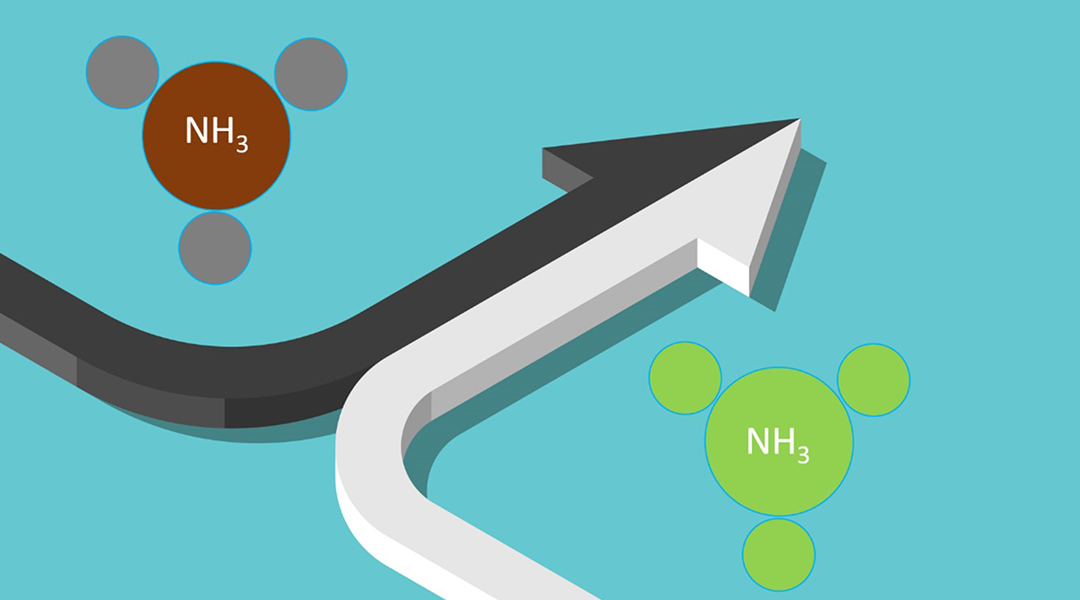
A recent advance in the Haber-Bosch production of ammonia increases conversion beyond the maximum allowed in the current industrial process.
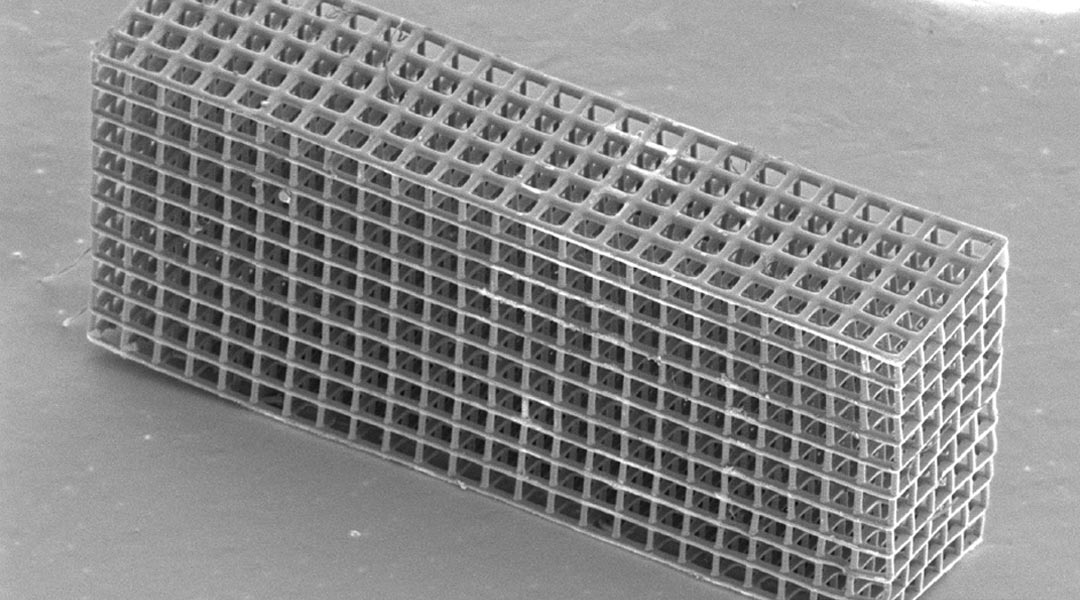
Increasing the mass of an electrode reduces power density due to the longer distance that ions and electrons must travel. Electrode designs need a rethink.
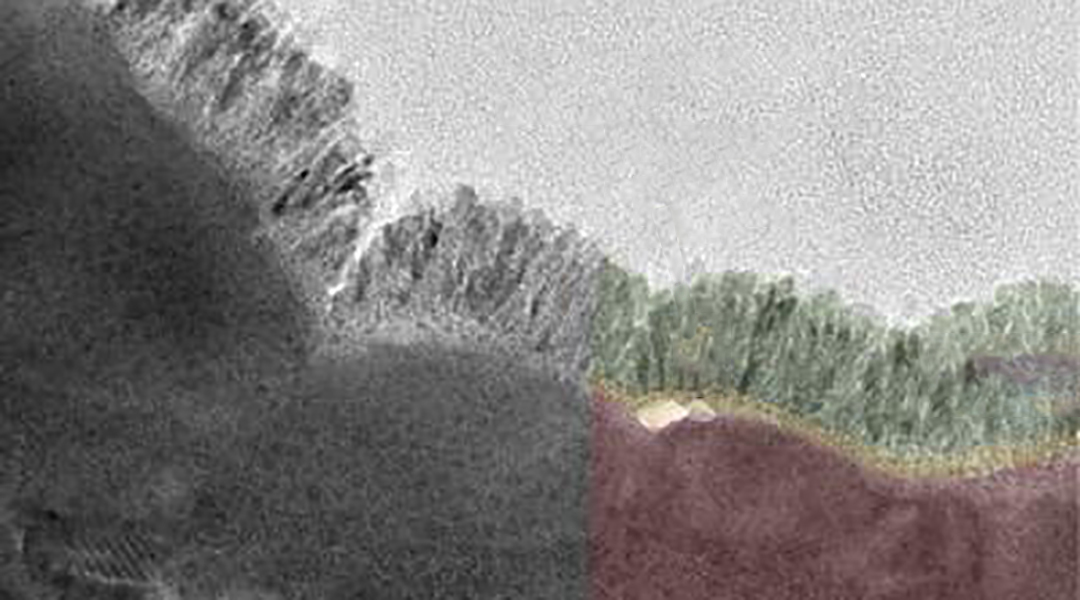
New photoanodes promise high efficiencies in producing hydrogen in a climate-neutral way.
 New theory suggests gravity is not a fundamental force
 Higgs boson may be driving the Universe’s expansion
 Water-powered gadgets may be on the horizon thanks to new evaporation-based energy device
 Scientists discover a new class of antibiotics
 Micron-sized hidden dimensions could solve two of physics’ deepest puzzles
 A new type of dark matter could explain mysterious radiation from the Milky Way’s core